

Threads of Connection
This Pride I'm Finding Expression in a New Way

A paid partnership with the GAP as a part of their 2026 Pride Campaign
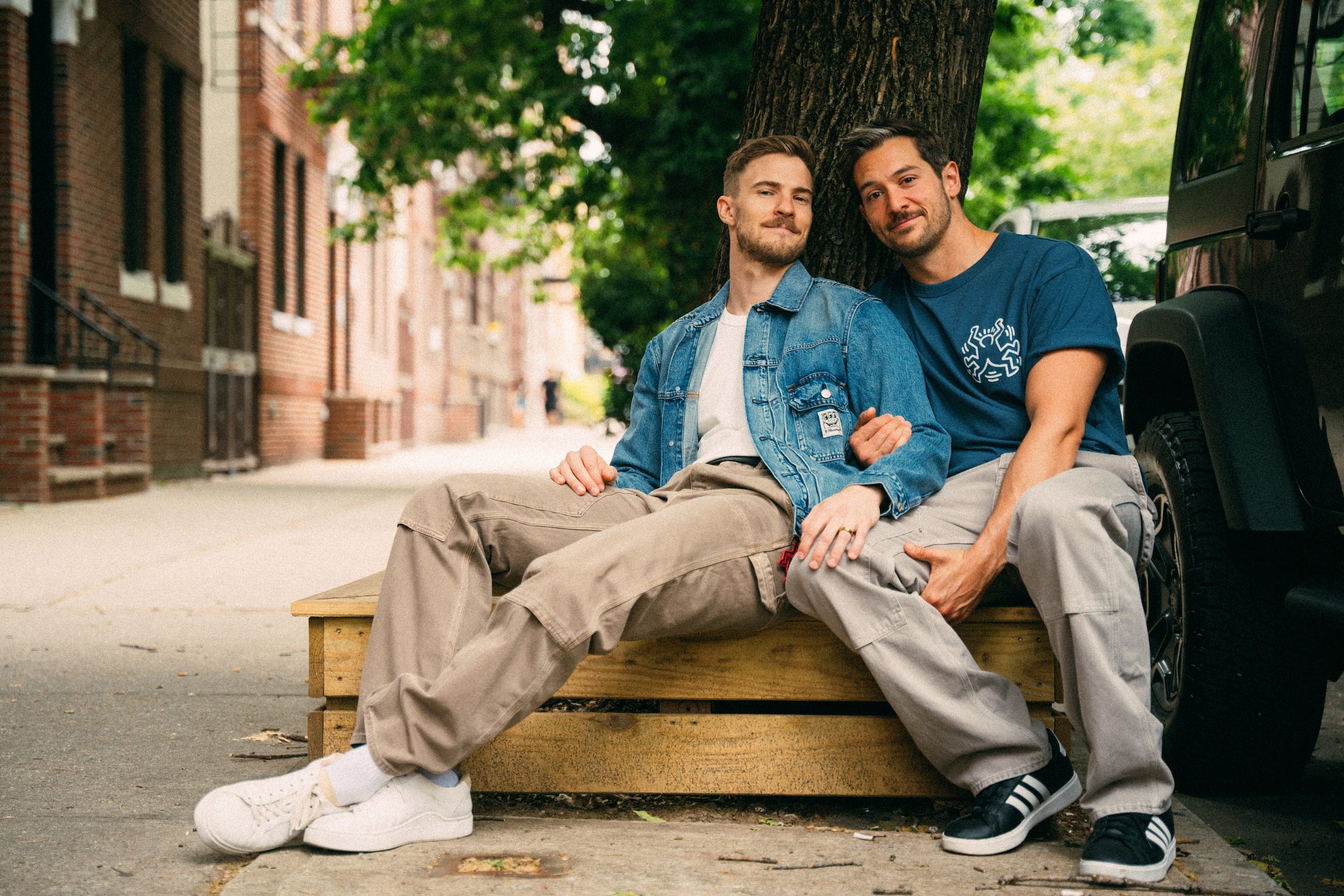
I’ve never had an easy relationship with clothing.
In fact, when I look back on my life, a fair amount of stress has stemmed from trying to choose the correct fabrics, patterns, and cuts to adorn my body. As someone frequently overwhelmed by choice, clothing has always been a barrier to me, the sheer number of possibilities that personal fashion presented, too much to handle for this indecisive Libra.
When I was a kid, clothing didn’t present as much of a problem, though. You could frequently find me naked or clad just in a pair of shorts, running through the jungles of Hawaii and playing in the muddy wonderland of our garden. Since we lived off-grid, I would ask my parents if there was enough water in the catchment tank that day. If I was lucky (after a big storm), I could then spend hours creating and destroying worlds with nothing but a hose and my imagination. Needless to say, I wasn’t thinking about whether or not my shorts would get dirty, because they always did.
Being in such a state of uninhibited liberation, clothing was a nonentity; I never thought about it. It wasn’t until middle school, when I could choose my own clothes, did they inspire a unique form of torment. Being chubby and pale in Hawaii, a space that idolizes beach culture, made me an outcast. While my peers dreamed of days at the beach, I dreaded them. I hated that moment when everyone started taking off their shirts, because I knew that about an hour later, my stomach would be in cramps from sucking it in for so long. I’d end those long beach days, sunburnt (never tanned), chafed from the sand, and dejected.
With such a hyperfixation on my body, I used clothing to try to assemble a different sense of self to cover up what I didn’t like. The pieces of clothing I chose were sporadic grasps at an identity in process, cobbled together by a deeply impressionable mind. I would bedeck myself in plaid cargo shorts and bold graphic tees. I had an Element jacket that I refused to ever take off. I had a pair of Crocs (long before they got cool again) that I spray-painted silver. I refused to wear pants even on the coldest of Waimea mornings (yes, it does get cold in Hawaii). I was learning about myself and trying, as we all do, to express it through what I put on my body.
Even when I came out, I made my clothing a bold representation of that journey, like when I wore this choice ensemble on National Coming Out Day.
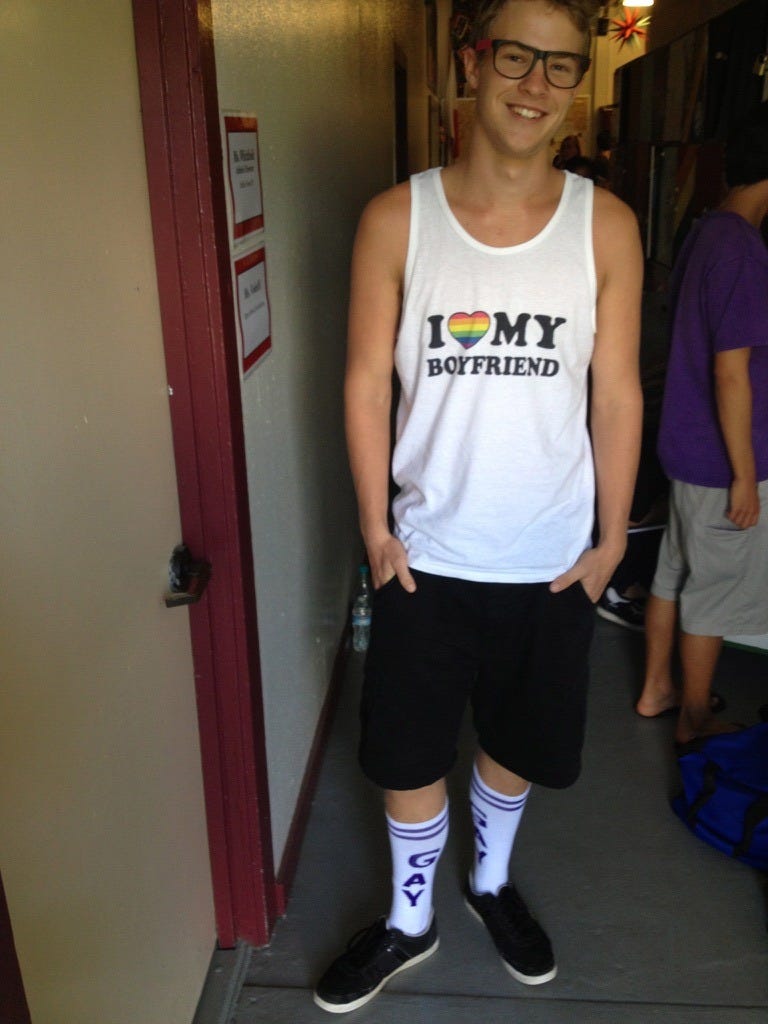
But even though I had signature pieces and a unique look, I always knew that I didn’t have style. My family never went shopping at the designer stores, and fashion in Hawaii has always had a different flavor. Nowhere else in the country are slippers (or flip-flops as you call them) an acceptable shoe for a wedding, and aloha shirts not just a staple, but their own status symbol.
This confused sense of fashion was about to get another test when I finally left Hawaii to head to the mainland.
The first few months of college were marked by a new wardrobe-inspired identity crisis. Hawaiian fashion is definitely not mainland fashion, and I had seventeen years of catching up to do. Suddenly, I was confronted with brands I’d never heard of, and rules I didn’t even know existed.
Rules about what you could wear when. Rules about which colors went with others. Rules that made absolutely no sense to me and my tropical upbringing. Suddenly, I was being judged on the things that made me feel at peace. My clothes were too flamboyant. My clothes were too loud. My clothes were too cheap.
I started to change accordingly, wearing less of the clothes that brought me joy, because they brought me scorn now, too. Even the clothing we had to wear for theatre class had rules. Athleisure was at the height of popularity, but I certainly couldn’t afford it. Suddenly, clothing also exposed my financial status and my lack of taste. Clothing further divided me from my classmates, even if the narratives I was writing existed only in my mind.
By trying to fit in, clothing was once again driving me further from the person I wanted to be.
When I finally moved to New York City after school, I could reinvent myself again. When I would go out in those early years of NYC, I took my board shorts out of retirement to go dancing. In my head, they were perfect; they had velcro pockets for my valuables, and even an elastic loop so I would NEVER lose my keys. But inevitably, I’d have to field the same question, “Wait, are you wearing a bathing suit?” and the board shorts returned to my closet.
Over time, I found myself wearing floral prints, graphic tees, and board shorts less often, and I wondered what it said about me. What does it mean to let your fashion change? Do the clothes change because you want to fit into the person you think would wear them, or do you select them based on who you are becoming?
Now that I’m no longer an actor, I find myself in control of my appearance for the first time in my life. I finally get to display to the world who I want to be, and that choice is daunting. How does one communicate when one’s whole life has been marked by shifting rules? How do I find my own personal style?
For me, it’s starting with a mindset switch.
Clothes have long since been a divider, yet now, I’m exploring how they can connect me instead.
Clothing allows us to send signals to other people without saying a word. Our clothing can connect us long before we have the chance to say what we feel about it. Just yesterday, I saw an older white man with a BOOT EDGE EDGE shirt at the gym. It reframed everything I’d assumed about him in this masculine space filled with many conservative white men. In this way, clothing can be a conduit from the past to the present. It can make a statement about your political beliefs. It can also remind me that so many others, like Keith Haring and his iconic imagery, have been fighting a fight for years that we have the honor of carrying on for those who follow after.
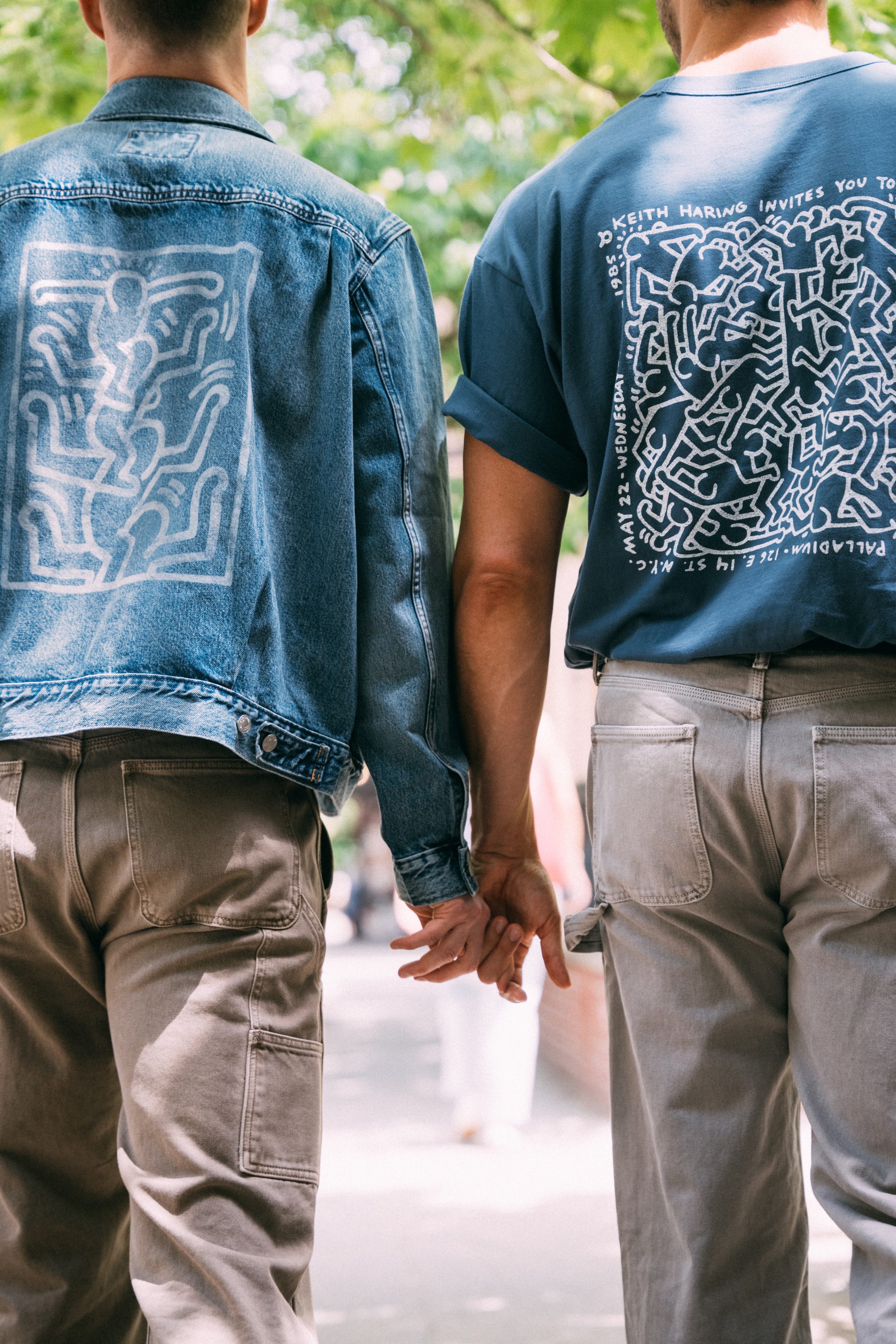
When I’m missing Hawaii these days, I reach for a tropical print with pride. A floral is how I stave off the homesickness even as my husband tells me that I don’t need to buy another aloha shirt. He’s right, but they still feel like part of me. And they’re a part of me I no longer want to shake. They connect me across thousands of miles to the warm breeze and the salty air at my dad’s house by the water, where you can just hear the waves if you listen hard enough.
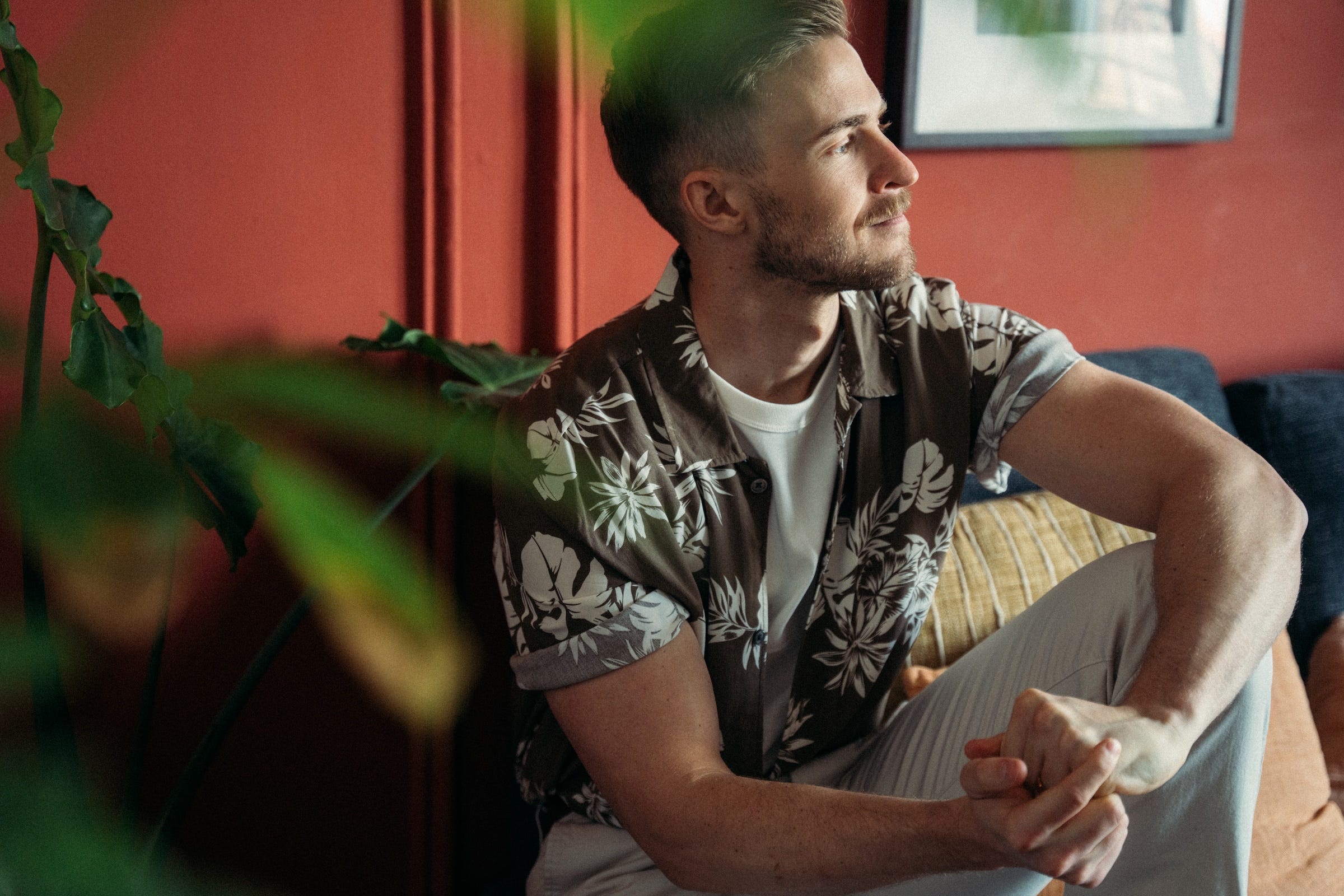
Even within my home, clothing has become a new source of connection. When lying around with my husband, a cozy material creates an invitation to cuddle, to rest a hand on a thigh or a head on a stomach. On hot days, there’s a delight in stripping those clothes off, and in colder ones, there’s an equal joy in throwing them on and pressing our bodies together, shivering and giggling from the cold.
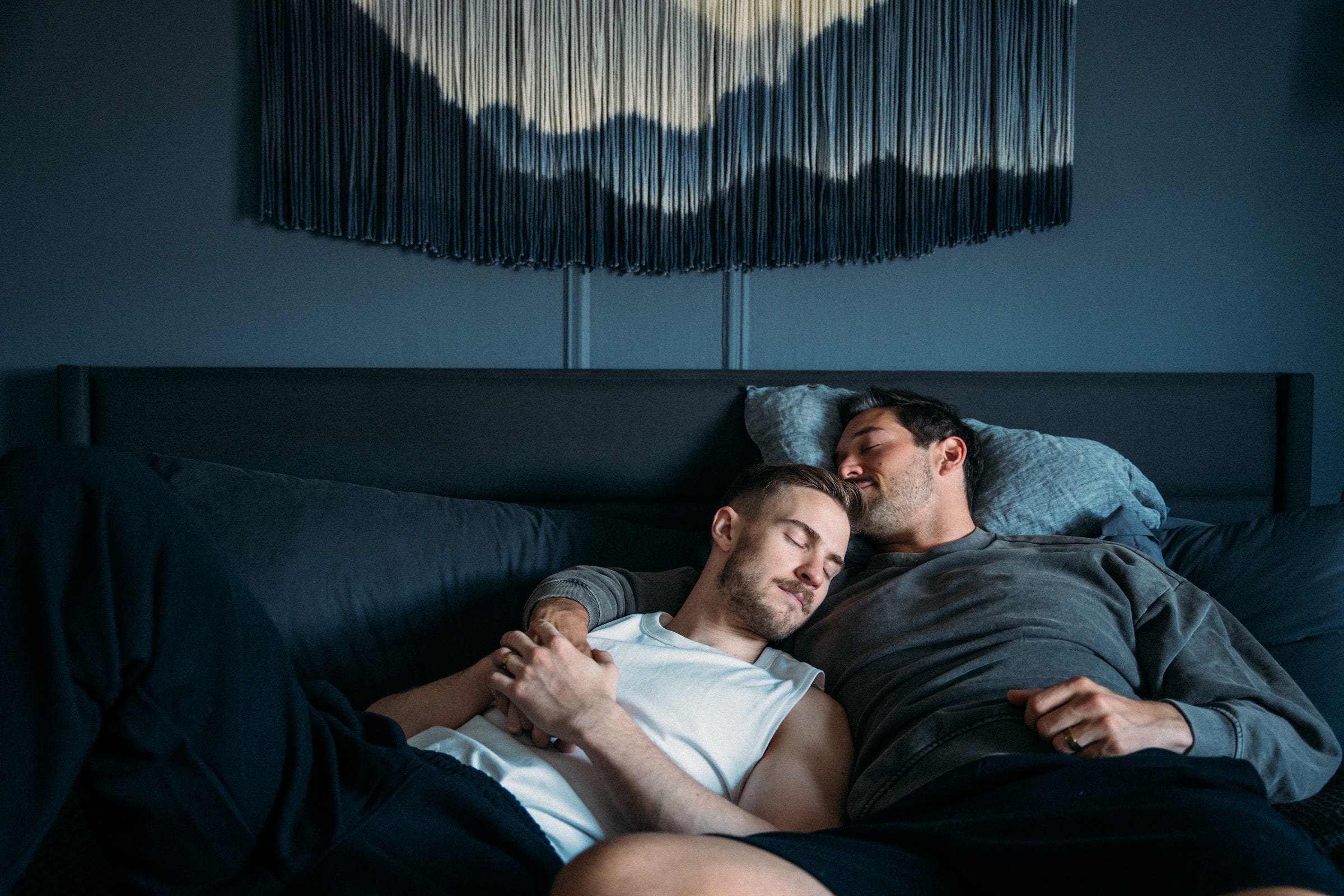
Even through the past and amidst the present, I’ve found that clothing can also connect me to my future.
We never stop evolving. We never stop growing. And our fashion, our clothes, and what they say about us continue that process with us. With every new piece I try on, I’m exploring who I want to continue being. As I explore a new style of shirt, sliding it over my head and checking myself out in the mirror, I get to ask myself, “ Is this who I am? Is this someone I want to be?”
Is this piece of clothing going to be an authentic expression of myself? Will this piece tell the right story about who I am and how I want to exist in the world?
What a gift those questions are. What a gift that we get to try on different parts of ourselves. All of them are right, and all of them are us, as we explore the vast breadth of experiences that life has to offer
I’ve come a long way from that little kid who used to play in the mud. I now care deeply about getting my clothes dirty because they mean something different to me now. They’re another avenue for connection, and you know how much I love connection.
Like that muddy kid in the jungle, I still love being naked, but now when I put on my clothes, I choose them with care.
I choose them not for what they will hide, but what they’ll reveal instead.

I love this text Aidan, thank you. Helped me reflect on same issues that I have with clothes. I’m scared of how I’m perceived still, working on it (as a nudist, is a burden haha). I think you somehow underline how capitalism can affect our gender expression too. I wonder how that relationship with textile will work with me in the future as well.