

Connecting With: Gillian Morris
After COVID forced her startup to shutter, Gillian Morris found solace and a surprising new path through her many housemates and her experiences with communal living.


Hello friends!
Welcome back to Connecting With, my interview series where I sit down with dear folks and connect! This week, I’ve got a wonderful guest who co-writes the incredible Substack, Supernuclear! Gillian and I actually met at a theatrical event where I learned she made an app that I loved called HitList. Once we started talking writing, and she told me about her work with communal living, I knew I had to interview her. There are so many overlaps between atypical living and atypical relating, and this interview really made me realize how important living near or with your community is. From the nitty-gritty about who washes dishes and how you learn to navigate others to the wider stories about a communal castle in France and how we can take her lessons and apply them to a share in Fire Island or PTown, this interview is chock full of incredible lessons.
I hope you enjoy!
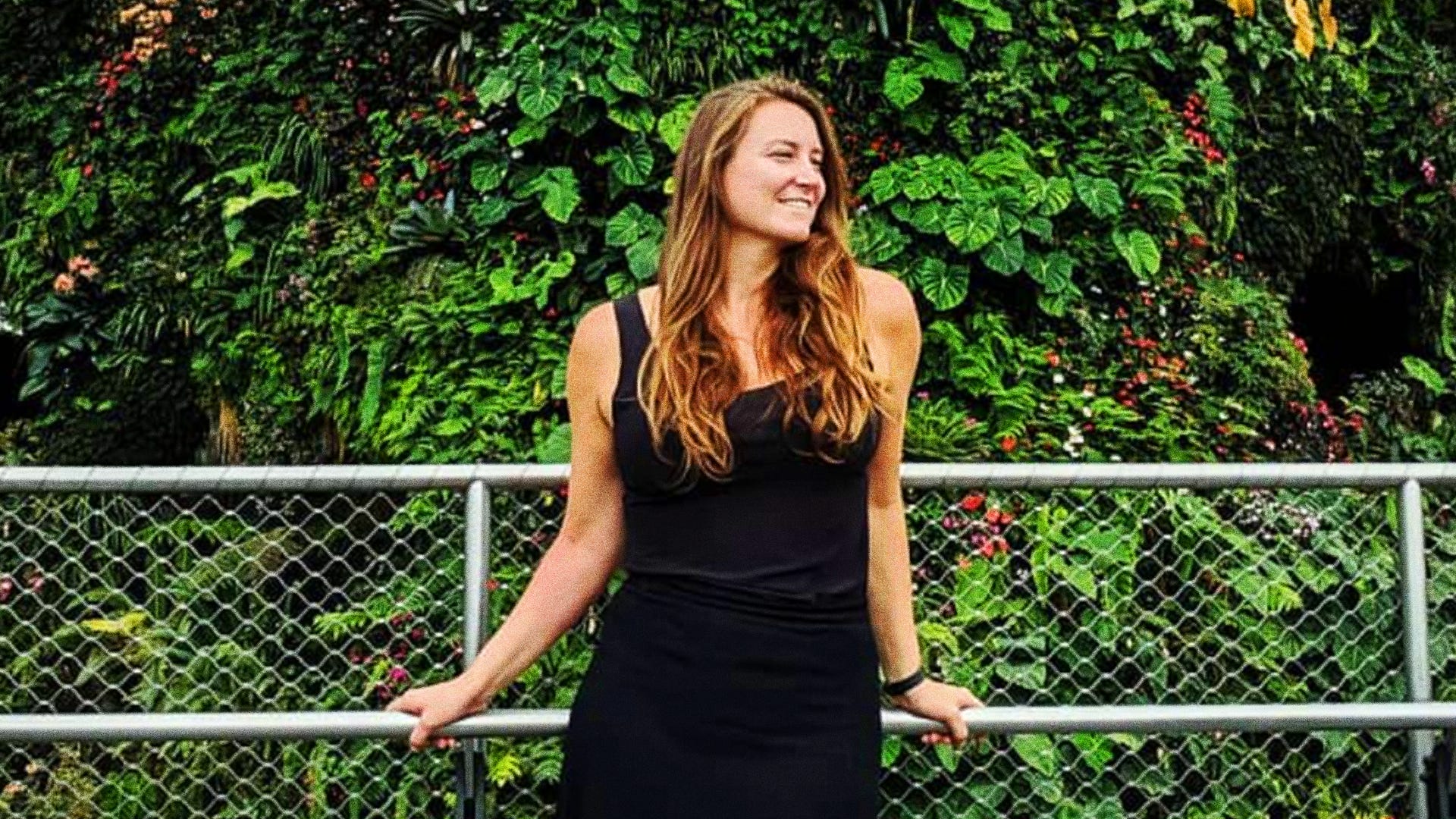
Aidan: Hi Gillian! Thank you so much for talking with me and connecting with me. Before we jump into all the good stuff I have planned, can you introduce yourself, tell us a bit about you, HitList, and how you came to Substack?
Gillian: Of course! My name is Gillian Morris, and I’ve been living in community for about 11 years. I was living in Williamsburg back in the somewhat adventurous days of 2013, and I just knew I wanted to live in a place where I could have people over for dinner. I just couldn’t afford that on my own. So, I started looking at places, and I thought, ”What if we all spent what we would spend on a one-bedroom, but we combine that? What crazy apartments could we get?” So I posted that on Facebook, and it was so popular that I started my first communal home in 2015.
We got the top half of a brownstone in Gramercy, and that was the beginning of my co-living journey. It wasn’t super intentional, but this is such a great way to live, and it’s such a misunderstood way of living. A lot of people think it’s juvenile, or it’s only if you can’t afford anything else. When I say I came in based on affordability, that’s one thing, but I also wanted a nice place. What I would pay for a one-bedroom in Manhattan, but times five. So I was getting an amazing, beautiful brownstone for what is a relatively modest budget. You can live in a nice place, it can be very adult, and it doesn’t have to be a sort of cheap student-y feeling.
I’m also a tech entrepreneur, so I was building a company at the time. I made an app called HitList that alerted you when flight prices dropped. We had almost 2 million users and a lot of people really loved what we were doing, but then the pandemic happened, and selling flights was a tough business to be in.
Aidan: How have you managed the transition from something that felt a bit more concrete to this new focus on Substack, coliving, and writing? It really does take a leap of faith. What was that experience like for you?
Gillian: You know, I didn’t approach this as something that I was doing as a career, but for me, it was the pandemic. My business was falling apart, but one thing that I always loved was the experience of living in these houses. People would always ask me, “How do you choose roommates? How do you deal with conflict? How do you set the place up? How do you make sure the dishes get cleaned?” There was all this knowledge that I built up over time. So I got an accountability buddy, my friend, Phil, whom I had known for many years and had also been living in community.
We said, “We’re going to commit to each writing 3 posts. And if we can do that, then we’ll like launch the blog and just see where it goes from there.” It was a slow start, and it took years of not posting very much. But it was a passion project. It was a side thing. Then at a certain point, we’re like, “Okay, this is a real amount of money coming in, and we’re starting to build a real readership.” We had a few posts go somewhat viral. Then, in mid-2024, things started to really pick up. I don’t know whether something in the Substack algorithm changed, or something in the culture changed, but people started to really care about this. Our subscribers started to tick up, and to my complete shock, we had people reaching out about book deals and Netflix shows. So there’s a lot more to come, and I feel unbelievably lucky and blessed to have found myself in this content creation world. I get to share this story, which I care so much about, and I’m excited to keep working on it.
Aidan: I’ve talked with a lot of Substack writers who’ve been on the platform for a couple of years and are really aware of how it’s changing as we get more subscribers and as there are more eyes on it. Have you two felt anything shift since 2024 in terms of how you interact with it?
Gillian: I feel like we should be doing so much more. I feel like we should be using Substack live, the audio features, starting a subscriber chat; there’s so much to explore, and you’re very inspirational in that respect. I’m excited to learn more from you. Have you found anything that’s been particularly useful or interesting?
Aidan: Aww, thank you. I have actually really enjoyed the lives. They have been really cool, because you actually build a more two-way community, which I love. I have much closer relationships with my readers, because they show up to the lives and they ask questions. Lives are so vulnerable that anytime a name pops up that I recognize, I’m like, “Oh my God, okay, yay, people are here, now we can just all hang out and chat. That’s been my favorite.
I feel like a lot of people I’ve talked to just liked to write, and now it’s become this whole ecosystem that feels really exciting. And speaking of ecosystems, I’m all about showing people by positive example. Can you talk about like one of your favorite coliving examples, whether that is your own or someone else’s?
Gillian: I have so many, but I feel like the one that captures most people’s imaginations is Feÿtopia.
My friend Jess is a French architect who had studied communal living and lived at a place in San Francisco called The Embassy. She was inspired by not only how fun it was to live in a nice house with some friends, but also the social potential of how we build the world we want to see. As an architect, she also cared about preservation, so she bought this beautiful castle for 1.8 million euros. She got like 90% of the money in a bank loan; she’s not coming from some rich background, which you would assume when you hear the word castle.
First thing, she opened the castle to the public for the first time. It looms over this village in the French countryside, and most of the villagers had never been there, because it had always been some rich person’s home. Now, it’s a fancy wedding and events venue for part of the year, and now, for almost six months of the year, it’s a co-living space, creative retreat, commune.
Artists, academics, and entrepreneurs come from all over the world to live there for anywhere from a couple weeks to the whole season. It’s a beautiful thing, and not just because the community is so nurturing and inspiring, but they’ve also restored this castle, which was falling apart. It’s in a part of France like our rust belt, where there was a lot of industrialization and then automation that moved overseas. This created an economically depressed area, but now people are coming back. She’s created over half a million dollars worth of impact in the local economy every year, from jobs created and the commerce that happens around just buying food for the 40-odd people in the castle at any given time. She’s created something that is an incredible home for people, a resource for its community, and is reversing these sad trends of economic decline. It shows you can live a beautiful life, have an amazing impact, and have a connection with your community.
Aidan: That is crazy. I actually watched their video last night about doing disco dishes! But when I hear 40 people, wow, that seems like so many people to organize. I know you talk a lot about how, in groups like that, shared values are really important. What shared values do you look for in people you co-live with?
Gillian: Well, you know, 40 people sounds like a lot, but we’re also talking about a castle. There are 28 bedrooms, a farmhouse, a cottage, and the main castle. So that enables people to have a little bit of distance from the rest. Some of the rooms are massive apartments unto themselves, and some of them are smaller and more affordable, which makes it inclusive to a wide variety of people.
But sorry, back to shared values. I think the most important thing is that you just want to be there. I think sometimes people are drawn by affordability, but they don’t actually care about connecting with other people. But there is an element of choosing to show up, cooking dinner with people rather than staying in your room alone. So it’s really important to me to have people who want to participate. I look for an openness to the experience of sharing your life and your space with other people.
A lot of times, people are basing their experience on the roommates they had in college, but people usually grow up and become more conscientious. So you’re less likely to have the tragedy of the commons, and instead, you can have an insane abundance of the commons. A lot of people think, “Oh my god, there’s going to be dishes in the sink, etc.” My response is, first, choose the right people.
Once, someone brought their DJ decks, and I love having live music while I’m cooking. Maybe someone knows how to fix my bike, which is broken, so I don’t have to bring it to a bike shop. Then I can help her fix her spreadsheets, which are a total mess. We’re able to share skills and an abundance mindset with a generosity of spirit.
If there are some dishes in the sink and it’s just once, I’ll take care of it. It’ll take me 30 seconds, and I’m not going to make a big deal out of it because there’s always going to be some day when you totally forget you had that Zoom call and you leave your dirty dishes. Always assume the best of people and that they will make up for it in the future, when they have more time.
Aidan: I love that. It makes me think of this quote from Michelle Obama, where she talks about how we have lost our ability to sacrifice in small ways for community, and I think that example really speaks to that. With where we are in a world of individualism and capitalism, do you think that these trends are why co-living is having this really beautiful moment of exploration?
Gillian: I think you’re totally right. We used to have so many things that people just did in the community because that was normal, like you were part of a church group or a synagogue or something, or you would bring food to an elderly person. That was a social expectation. Now, a lot of people aren’t part of these institutions, and they’re not used to giving themselves up in the same way that used to be very expected.
I think a really crucial example is when people become parents and realize how expensive child care is. Some people are lucky enough to have good relationships with their parents and get free childcare out of that, but we used to have entire communities that would all help with this. It’s completely unaffordable to pay for everything you need.
Also, some things feel like work when you have to do them alone, but are really fun when you’re doing them with people. Doing the laundry, cleaning, cooking, they’re not that fun to do alone, but if you’re with people. For example, I love folding my laundry, but we have these cloth napkins that always need to be ironed to actually look good. It’s a total pain in the ass. I never iron them if I’m on my own, but if I have one of my housemates there and we’re just chatting and he’s folding his laundry while I’m ironing the napkins, then we get a catch-up session in too, then it’s not work at all.
Aidan: Yeah, it’s funny you use that example because I just got married back in August and had never ironed napkins before then. But when we did, Casey took them out of the bin and flattened them, I ironed, and my mom folded them. It was a really good microcosm of our entire wedding. Everyone came together to help it happen, and I thought, “Wow, what a really incredible example of buy-in and how meaningful it can be when everybody actually gets to contribute something.” But also, as somebody who is a type A leader, it’s hard for me to delegate. Can you talk a little bit about how you learned how to delegate in your experiences and actually invite people in through that process?
Gillian: In the same way that we have this drive towards individualism, people don’t ask for help very much because there’s this sense of, I should be able to take care of everything myself. It’s a pretty vulnerable thing to ask someone to help you assemble furniture or move, or watch your kid. It’s a vulnerable ask, and so it almost feels like a privilege when you are asked.
Obviously, this can go too far, but I think we are so starved of connection and meaning that sometimes when people ask for help, it feels really cool. You get to learn a new skill, maybe hang out with your friends, and you get this sense of accomplishment. So being able to offer that to people, knowing that they’ve helped you out, is a really beautiful thing. And a lot of people are craving that.
There’s this magazine called Gunk, based out of the Secret Riso Club in Brooklyn, and they have magazine folding parties. If they hired a printer and had to pay for the printer to fold and staple, and put these zines together, it becomes unaffordable. But people love going and doing a small manual task with friends. It’s a great way to meet community and feel like you’re doing something useful.
Aidan: That’s so smart. I feel like a lot of the resistance towards this communal activity has to do with how we perceive aging. We have these faulty beliefs about what adulthood should look like. What do you find are the demographics of coliving? Is it something that is primarily single-based? Does it shift with relationships? Does it shift with kids?
Gillian: I love this because I think we’ve totally normalized communal living for students, right? No one questions that, and it’s totally normal to do communal living in retirement homes and nursing homes. But for some reason, in the 25 to 55 window, there’s this stigma against it. It’s like, if you’re living with people, you haven’t really grown up, you haven’t made it, or you’re not successful.
I think that’s completely insane, because that’s a key part of life when it helps to share that burden with other people. I don’t have kids yet myself, and yet, the only way I could see it being feasible is if I am living in close proximity to a bunch of other friends who can help out. I know a lot of people doing that, and their kids are so much better adjusted. The parents sleep better, their finances are in better shape, and their relationships are in better shape.
I also think living in community is great for couples. My friends, Jon and Roxy, are a married couple who moved into our communal home. They love each other a ton but have different energy levels - sometimes Jon wants to do something more active, and Roxy just wants to light a candle, meditate, chill in her room. In a group house, she gets to do that because other people are entertaining him. He gets the energy out with everyone else, and then when he comes up to the room, they can have their wonderful, deep connection. She talked about how much she treasured that in the house they lived in for a couple of years. They now have a baby and live on their own, but they got an apartment in a complex with some other friends, within walking distance from each other.
Aidan: There’s really something to be said for being able to walk and knock on a friend’s door. My brother actually used to live in a setup like that. We also have cousins who have property out in the Hamptons with a bunch of yurts and a communal kitchen in a barn, and it feels very up your alley. My brother loves it out there, but I have a bit more social anxiety when it comes to meeting new folks. What would you say to someone like me who is maybe feeling a little bit nervous about the unpredictability of a coliving space?
Gillian: Well, it’s important to find a place that works for you. What works for you might be your own private apartment with a common space. I love my alone time in my room, but I also think that a big part of introversion is being exhausted by strangers and new people.
But my roommates aren’t strangers. Of course, it takes a little time to get to know each other, but then once you do, it becomes easier and easier. Then you can walk around in your bathrobe, and it’s not going to be weird; you don’t have to explain yourself. You figure out the rhythms, like when someone hasn’t had their coffee yet, and they figure that out about you. So it’s like living with an extended family rather than a sort of conventional social situation.
Aidan: I write a lot about open relationships and atypical structures, and a lot of this sounds so familiar. They both carry lots of misconceptions and require a ton of empathy and communication, and exist outside the bounds of what we are taught. There’s even no word for these people who are friends and family, and more. You call them near friends, right?
Gillian: Yeah, there’s another great term: other significant others. They’re not your romantic partner, but like, extra people in your life who are also really important. They might be your emergency contact, or the person that you come to with your financials, or deep, dark, personal shit that you wouldn’t share with most people. But you know you can ask them to help you walk through things.
I think it’s really nice not to put all of that pressure on one romantic partner. When we invest everything in one person, it’s very risky. You know, things can change in your relationship. You could meet someone new, or, god forbid, one of you gets sick, or hit by a car, or faces some other life-changing circumstance. If you have put all of your eggs in one basket, then it’s going to be much harder than if you have other close connections to help you navigate it.
Aidan: I think those relationships are dwindling anyway, so we really do need them more than ever. Okay, two last little questions. One, for a lot of my readership, the closest that gay men get to coliving is a house in Fire Island or Ptown. Where you’re suddenly crammed into a house with eight, twelve, or sixteen other people in a very intense setting. What would you say are best practices or tips for those situations?
Gillian: Okay, well, the same things are important, whether it’s one week or forever. It’s all about the people you choose. Yet, at the same time, if you don’t have a lot of strong relationships, you’re going to have to experiment, and you might have some misses. I love the idea of getting a vacation house as practice, building up the relationships. You get it for a week, then maybe you get a place for a month.
One of my favorite communal groups in Brooklyn, they all started because they were all really into West Coast Swing. They also overlapped with a polyamorous crew, and they would get houses and go to swing competitions. Now they have four adjacent apartments in Brooklyn, and a combined backyard. They have this lovely constellation with 11 adults and a kid or two, and it started with getting a vacation house together.
Aidan: Incredible. Okay, last question: A full coliving experience might feel overwhelming for some. Where’s the best place to start, other than Supernuclear, for somebody who wants to explore?
Gillian: Okay, so there are so many books and blog posts. In addition to Supernuclear, I love Brave New Home by Diana Lind and Everyday Utopias by Kristen Ghodsee, and The Other Significant Others by Rhaina Cohen, or our article about it here. But also, if you just Google communal living, you might be able to find some places. They might have some public events, and you might be able to start going to those and just kind of getting a sense of the community.
In so many ways, coliving and finding your people is kind of like dating. You might go on a lot of dates before you find the right one. You might live with people for a year, and then you grow in different directions. That’s okay, that’s human relationships. You’re not necessarily going to find your dream situation off the bat, and that’s part of the evolution.
It’s like sea snails. At a certain point, when they’re all starting to outgrow their shells, these snails find each other and get in a line, and then the smaller snail goes into the next size up, and the next, etc. They’ll all basically trade up to the next size house, and I see that a lot in coliving as well. People start with a vacation home, then a short-term sublet, then they move into the next place, but there’s someone who’s ready to move into the earlier one. You don’t have to make a lifetime commitment.


 | A guest post by
|